We all love the comforting crunch of freshly popped popcorn, a timeless snack perfect for movie nights, family gatherings, or just a quiet evening in. But as conscious consumers, many of us are starting to look beyond the delicious taste and ask: is our popcorn truly healthy? The truth is, the very appliance designed to create this beloved treat, the popcorn maker, can sometimes harbor hidden chemicals that could compromise your well-being. This is where the non toxic popcorn maker steps in, offering a gateway to guilt-free enjoyment and a healthier snacking experience. Embracing a non-toxic popcorn maker isn’t just a trend; it’s a commitment to your health and the environment, ensuring every kernel pops into pure, unadulterated joy.
|
Our Picks for the Best Popcorn Maker in 2026
As an Amazon Associate I earn from qualifying purchases.
|
||
| Num | Product | Action |
|---|---|---|
| 1 | 6 Oz Popcorn Machine Maker, Countertop Pop Corn Machine, Tabletop Popcorn Machine, Movie Theater Popcorn Popper Machine with Stainless-Steel Kettle, Measuring Tool for Home Family, 300 W, Red |

|
| 2 | Presto 04863 Poplite Hot Air Popcorn Popper - Built-In Measuring Cup + Melts Butter, Easy to Clean, Built-In Cord Wrap, 18 Cups, Red |
|
| 3 | 8 oz Popcorn Machine Cart, Popcorn Maker Machine with Stainless-Steel Kettle Makes Up to 32 Cups, Movie Theater Style Pop Corn Machine with Heated Warming Deck, Upgraded, Black |
|
| 4 | Dash Fresh Pop Popcorn Maker - Oil-Free, Air Popcorn Popper - With Measuring Cup & Recipe Guide - Perfect for Movie Nights - 16 Cups, Red |
|
| 5 | Soccer-Shaped Hot Air Popcorn Popper, BPA-Free Food-Grade PP Air Popcorn Maker with Measuring Cup and Butter Melter, One-Touch 1200W Oil-Free Popcorn Machine for Home, Game Night, Camping (white) |
|
| 6 | Original Whirley Pop Popcorn Maker - Wabash Valley Farms Gourmet Popcorn Popper, Aluminum Pot With Nylon Gears, 3-Minute Stove Top Popper, Home Movie Night (Silver) |
|
| 7 | Dash Fresh Pop Popcorn Maker - Oil-Free, Air Popcorn Popper - With Measuring Cup & Recipe Guide - Perfect for Movie Nights - 16 Cups, Aqua |
|
| 8 | Dash Fresh Pop Popcorn Maker - Oil-Free, Air Popcorn Popper - With Measuring Cup & Recipe Guide - Perfect for Movie Nights - 16 Cups, White |
|
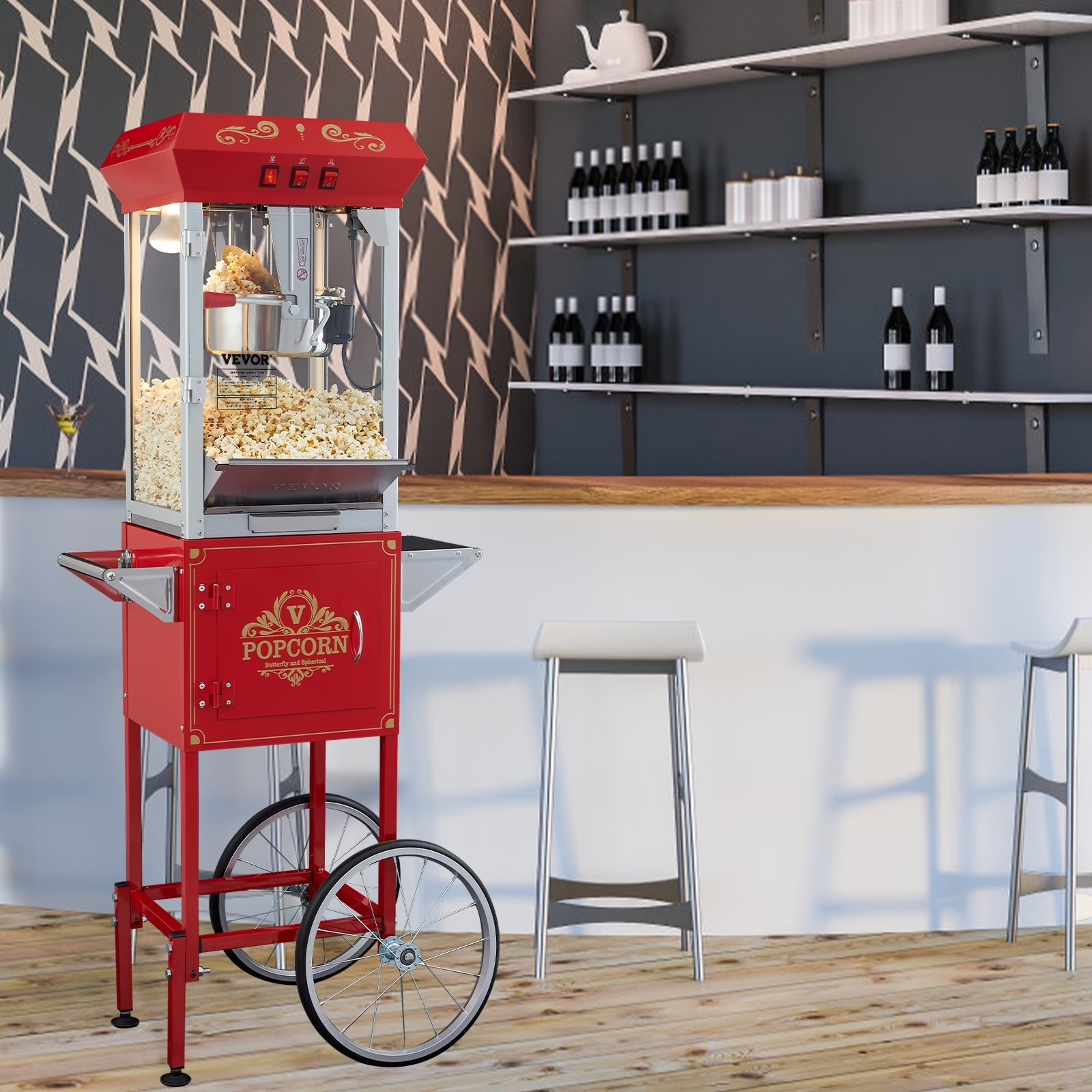
| 9 | 10 oz Popcorn Machine Cart, Popcorn Maker Machine with Wheel&Stainless-Steel Kettle Makes Up to 40 Cups, Vintage Movie Theater Style Pop Corn Machine, Red |
|
| 10 | Popsmith Popcorn Popper in Butter - 6 Quart Stovetop Popcorn Machine - Stainless Steel Popcorn Maker Compatible with All Stovetops |
|
The Hidden Dangers in Your Popcorn Bowl: What to Avoid
Before diving into the wonderful world of safe popcorn makers, it’s crucial to understand why choosing a non toxic popcorn maker matters. Many conventional popcorn makers, and even pre-packaged microwave popcorn, contain materials and chemicals that can leach into your food, posing potential health risks.
The Trouble with Traditional Non-Stick Coatings
When you think of “non-stick,” you might instantly think of convenience. However, many traditional non-stick surfaces, particularly those made with PTFE (polytetrafluoroethylene), commonly known as Teflon, can be problematic. When overheated, these coatings can release harmful fumes. These fumes have been linked to “Teflon flu” in humans, and at extreme temperatures, they can pose serious respiratory risks to pets. Furthermore, chemicals like PFOA (perfluorooctanoic acid), which were historically used in the manufacturing of such coatings and even in some microwave popcorn bags, have been associated with various health issues, including certain cancers and hormone disruption. Opting for a non toxic popcorn maker means actively avoiding these concerning substances.
The Plastic Predicament: BPA and Phthalates
Plastic is ubiquitous in modern appliances, and popcorn makers are no exception. Many plastic components, especially those that come into direct contact with food during heating, can contain BPA (Bisphenol A) and phthalates. These chemicals are known endocrine disruptors, meaning they can interfere with your body’s hormonal system. Research has linked BPA exposure to reproductive problems, heart disease, and an increased risk of certain cancers, while phthalates, used to make plastics more flexible, also carry their own set of health concerns. Even products labeled “BPA-free” should be scrutinized; ensure plastic is minimized or entirely absent from food-contact surfaces, particularly when heated. A truly non toxic popcorn maker prioritizes materials that won’t leach these chemicals.
A Look at Aluminum: When It’s Not So Shiny
Aluminum is often praised for its excellent heat conductivity and affordability, making it a common material in kitchenware. However, in its raw, non-anodized form, aluminum can leach into food, especially when exposed to high heat or acidic ingredients. Some studies have raised concerns about aluminum exposure potentially being linked to neurological disorders. While anodized aluminum is a safer alternative, having been treated to prevent leaching, it’s still worth considering if you prefer to avoid aluminum altogether in your cooking. For a truly non toxic popcorn maker, many prefer options free of this metal.
The Case Against Microwave Bags: Diacetyl and Other Additives
The convenience of store-bought microwave popcorn bags often comes at a cost to your health. Beyond the potentially questionable bag linings (historically containing PFOA), the popcorn itself often includes unhealthy additives such as synthetic butter flavorings (like diacetyl and 2,3-pentanedione) and artificial colors. Diacetyl, in particular, has been linked to “popcorn lung” (bronchiolitis obliterans), a severe and irreversible lung disease seen in workers at popcorn factories. While consumer risk is lower, why take any chances when you can make a healthier, equally convenient version at home with a non toxic popcorn maker?
Your Healthier Popping Partners: Safe Materials Explained
Fortunately, finding a non toxic popcorn maker that aligns with a health-conscious lifestyle is easier than ever. Manufacturers are increasingly recognizing the demand for safer alternatives, offering innovative designs made from inherently non-toxic materials.
Stainless Steel: The Robust and Reliable Choice
When it comes to durability and safety, food-grade stainless steel is a top contender for a non toxic popcorn maker. This material is highly heat-resistant, doesn’t rust, and critically, it won’t react with the oils, butter, or popcorn kernels you’re cooking. Stainless steel is easy to clean and provides a robust cooking surface for stovetop poppers and components in some electric models. It’s an excellent choice for those who value longevity and a consistently clean cooking experience.
Glass: Clear, Clean, and Chemical-Free
For microwave popcorn enthusiasts, glass offers an elegant and undeniably safe solution. A glass microwave popcorn maker is completely non-reactive, ensuring that no unwanted chemicals leach into your snack. It allows you to visually monitor the popping process, preventing burning, and it’s incredibly easy to clean. Glass popcorn makers are often paired with food-grade silicone lids for safe handling and sealing, making them a fantastic non toxic popcorn maker option for quick and convenient popping.
Food-Grade Silicone: Flexible, Convenient, and Safe
High-quality, food-grade silicone has become a popular material for microwave popcorn makers due to its flexibility, heat resistance, and non-toxic properties. Look for silicone products explicitly labeled “BPA-free,” “phthalate-free,” and “FDA-approved” or meeting European LFGB standards. This ensures the silicone is free from harmful fillers and chemicals that could transfer to your food. Many silicone popcorn makers are collapsible, making them incredibly space-efficient for storage. To quickly check the quality of silicone, perform the “twist test”: if the silicone turns white when you twist or stretch it, it likely contains fillers and should be avoided. A premium silicone non toxic popcorn maker is a fantastic, lightweight option.
Finding Your Perfect Non-Toxic Popcorn Maker
With various types of popcorn makers available, each offering unique advantages, you can easily find a non toxic popcorn maker that fits your lifestyle.
Hot Air Poppers: The Oil-Free Champion
If your goal is the absolute healthiest popcorn, a hot air popper is often the way to go. These machines use circulating hot air to pop kernels, eliminating the need for oil during the popping process. This results in a significantly lower-calorie, fat-free snack. Many hot air poppers feature stainless steel heating chambers and BPA-free plastic chutes that direct the popped corn into your bowl, minimizing contact with potentially questionable materials. They are fast, efficient, and consistently deliver light, fluffy popcorn. The Presto Poplite Hot Air Popper is a classic example, praised for its speed and effectiveness. This type of non toxic popcorn maker is ideal for those who prioritize a pure, unadulterated snack.
Stovetop Poppers: Classic Crunch, Modern Safety
For those who cherish the nostalgic ritual and superior texture of stovetop popcorn, modern stovetop poppers offer a safe alternative. The best options are crafted from food-grade stainless steel, ensuring a non-reactive cooking surface. Many come with a hand-cranked stirring mechanism to prevent kernels from burning and ensure even popping. While stovetop methods typically require a bit of oil, choosing a healthy, high-smoke-point oil allows you to enjoy that classic flavor without compromise. The Wabash Valley Farms Whirley-Pop is a highly regarded stovetop non toxic popcorn maker, known for its consistent results and durable build.
Microwave Popcorn Makers: Convenience Without Compromise
For ultimate convenience without resorting to pre-packaged bags, a microwave popcorn maker made from glass or food-grade silicone is an excellent choice. These compact poppers allow you to use your own kernels and control all the ingredients, from oil (or no oil) to seasonings. They are quick, easy to clean, and often collapsible for simple storage. Products like the Ecolution Original glass popper or the Chef’n Pop Top silicone popper offer a safe, efficient, and truly non toxic popcorn maker experience for microwave users.
Popping It Right: Tips for the Perfect Non-Toxic Batch
Having a non toxic popcorn maker is the first step; mastering the art of popping perfect, healthy popcorn is the next.
Choose Your Kernels Wisely: Go Organic!
Your popcorn journey begins with the kernels themselves. Conventional corn can be heavily treated with pesticides, some of which are known carcinogens or endocrine disruptors. To avoid these residues, always opt for organic popcorn kernels. They are readily available and ensure that your base ingredient is as clean and natural as possible. This small switch makes a big difference in creating truly non toxic popcorn.
The Oil Debate: Which Oils are Best (and When to Use Them)
If you’re using a hot air popper, you might not need oil at all! However, for stovetop methods or for adding flavor, your choice of oil matters. Oils with high smoke points are ideal for popping. Consider:
- Avocado Oil: Very high smoke point, neutral flavor, packed with healthy monounsaturated fats.
- Refined Coconut Oil: High smoke point, adds a subtle tropical flavor, and is relatively stable at high temperatures.
- Extra Virgin Olive Oil: While delicious, it has a lower smoke point. It’s best used as a finishing drizzle after your popcorn has popped, rather than for the popping process itself, especially if using high heat.
Creative Seasonings for Guilt-Free Snacking
Once your popcorn is perfectly popped in your non toxic popcorn maker, the fun begins with seasonings! Move beyond excessive salt and artificial butter.
- Nutritional Yeast: Adds a cheesy, umami flavor.
- Herbs and Spices: Paprika, chili powder, garlic powder, onion powder, or a blend of dried Italian herbs.
- Natural Sweeteners: A light sprinkle of cinnamon sugar, or a drizzle of maple syrup (when cooled).
- Dark Chocolate: Melt some organic dark chocolate and drizzle it over your popcorn for an indulgent, antioxidant-rich treat.
Keeping Your Maker Pristine: Cleaning and Care for Longevity
Maintaining your non toxic popcorn maker correctly ensures its longevity and continued safety.
- Stainless Steel: Most stainless steel components are dishwasher safe or can be easily wiped clean with warm, soapy water. For stubborn residue, a gentle scrub with a non-abrasive pad will work wonders.
- Glass: Glass microwave poppers are almost always dishwasher safe. For handwashing, warm soapy water is usually sufficient.
- Silicone: Food-grade silicone is typically dishwasher safe and highly resistant to odors. Simply wash with soap and water or toss it in the dishwasher.
Always allow your popcorn maker to cool completely before cleaning to prevent warping or damage, and always refer to your specific product’s care instructions.
Expert Insights on Healthy Snacking
“Choosing a non toxic popcorn maker is more than just buying an appliance; it’s an investment in your family’s health and a conscious step towards a cleaner kitchen,” explains Anya Sharma, a food safety consultant specializing in home appliances. “By understanding the materials involved and making informed choices, you transform a simple snack into a truly wholesome experience. It empowers you to take control over what goes into your body, making every movie night a little bit healthier.”
Frequently Asked Questions about Non-Toxic Popcorn Makers
Are air poppers really healthier than other types of popcorn makers?
Yes, generally, air poppers are considered the healthiest option because they don’t require any oil to pop the kernels, resulting in a naturally fat-free and lower-calorie snack.
Can I use any oil in my non-toxic popcorn maker?
For stovetop poppers, it’s best to use oils with high smoke points like avocado or refined coconut oil. Olive oil, especially extra virgin, has a lower smoke point and is better used as a flavoring after the popcorn has popped or at medium heat.
How do I know if silicone is food-grade and safe?
Look for labels such as “100% food-grade silicone,” “BPA-free,” “phthalate-free,” and “FDA-approved” or “LFGB certified.” A quick test is to twist the silicone; if it turns white, it may contain fillers and is best avoided.
What about pre-packaged microwave popcorn? Is it ever a non-toxic option?
While some manufacturers have removed certain harmful chemicals like PFOA and diacetyl, many pre-packaged microwave popcorn options still contain questionable additives, flavorings, and unhealthy oils. Using a non toxic popcorn maker with your own organic kernels is almost always a safer and healthier choice.
Are plastic air poppers safe if they’re BPA-free?
While BPA-free is a good start, it’s still best to minimize hot food contact with any plastic. Look for air poppers where the heating chamber is stainless steel, and any plastic components (like the chute) are certified BPA-free and are of high quality, designed to withstand heat without leaching.
Conclusion
Embracing a non toxic popcorn maker is a simple yet impactful way to elevate your snacking game, ensuring that your favorite treat is not only delicious but also truly healthy. By choosing materials like stainless steel, glass, and food-grade silicone, and being mindful of your kernels and oils, you can confidently create bowls of wholesome, chemical-free popcorn. It’s about making smart choices for your kitchen, your family, and your long-term well-being. So go ahead, explore the array of non-toxic options, experiment with new flavors, and rediscover the pure joy of homemade popcorn, knowing you’re making the best choice for a healthier lifestyle.