Step right up and imagine the irresistible aroma of freshly popped corn wafting through your establishment. That comforting, buttery scent isn’t just a treat for the senses; for businesses, it’s the smell of opportunity and consistent profit. While a home popcorn maker offers a fun, casual experience, a commercial popcorn maker is a robust, high-performance workhorse designed to meet demanding business needs, ensuring a steady stream of delicious popcorn and happy customers. This guide will walk you through everything you need to know to choose, operate, and maintain the perfect commercial popcorn maker for your venture, transforming a simple snack into a cornerstone of your success.
|
Our Picks for the Best Popcorn Maker in 2026
As an Amazon Associate I earn from qualifying purchases.
|
||
| Num | Product | Action |
|---|---|---|
| 1 | 6 Oz Popcorn Machine Maker, Countertop Pop Corn Machine, Tabletop Popcorn Machine, Movie Theater Popcorn Popper Machine with Stainless-Steel Kettle, Measuring Tool for Home Family, 300 W, Red |

|
| 2 | Dash Fresh Pop Popcorn Maker - Oil-Free, Air Popcorn Popper - With Measuring Cup & Recipe Guide - Perfect for Movie Nights - 16 Cups, White |
|
| 3 | 8 oz Popcorn Machine Cart, Popcorn Maker Machine with Stainless-Steel Kettle Makes Up to 32 Cups, Movie Theater Style Pop Corn Machine with Heated Warming Deck, Upgraded, Black |
|
| 4 | Original Whirley Pop Popcorn Maker - Wabash Valley Farms Gourmet Popcorn Popper, Aluminum Pot With Nylon Gears, 3-Minute Stove Top Popper, Home Movie Night (Silver) |
|
| 5 | Popsmith Popcorn Popper in Butter - 6 Quart Stovetop Popcorn Machine - Stainless Steel Popcorn Maker Compatible with All Stovetops |
|
| 6 | Presto 04863 Poplite Hot Air Popcorn Popper - Built-In Measuring Cup + Melts Butter, Easy to Clean, Built-In Cord Wrap, 18 Cups, Red |
|
| 7 | Dash Fresh Pop Popcorn Maker - Oil-Free, Air Popcorn Popper - With Measuring Cup & Recipe Guide - Perfect for Movie Nights - 16 Cups, Aqua |
|
| 8 | Soccer-Shaped Hot Air Popcorn Popper, BPA-Free Food-Grade PP Air Popcorn Maker with Measuring Cup and Butter Melter, One-Touch 1200W Oil-Free Popcorn Machine for Home, Game Night, Camping (white) |
|
| 9 | 10 oz Popcorn Machine Cart, Popcorn Maker Machine with Wheel&Stainless-Steel Kettle Makes Up to 40 Cups, Vintage Movie Theater Style Pop Corn Machine, Red |
|
| 10 | Dash Fresh Pop Popcorn Maker - Oil-Free, Air Popcorn Popper - With Measuring Cup & Recipe Guide - Perfect for Movie Nights - 16 Cups, Red |
|
Why a Commercial Popcorn Maker is a Game Changer for Your Business
Investing in a commercial popcorn maker means investing in efficiency, quality, and your bottom line. Unlike residential models, these machines are built for continuous, high-volume production, ensuring you can keep up with demand during peak hours. They deliver consistently excellent popcorn, which is crucial for customer satisfaction and repeat business. Moreover, the inherent durability and thoughtful features of commercial-grade equipment mean less downtime and more reliable operation, directly translating to higher profits and a stronger brand image.
Decoding the Different Types of Commercial Popcorn Machines
When considering a commercial popcorn maker, you’ll encounter a variety of types, each suited for different business environments and volume needs. Understanding these distinctions is the first step toward making an informed decision.
Countertop Popcorn Machines
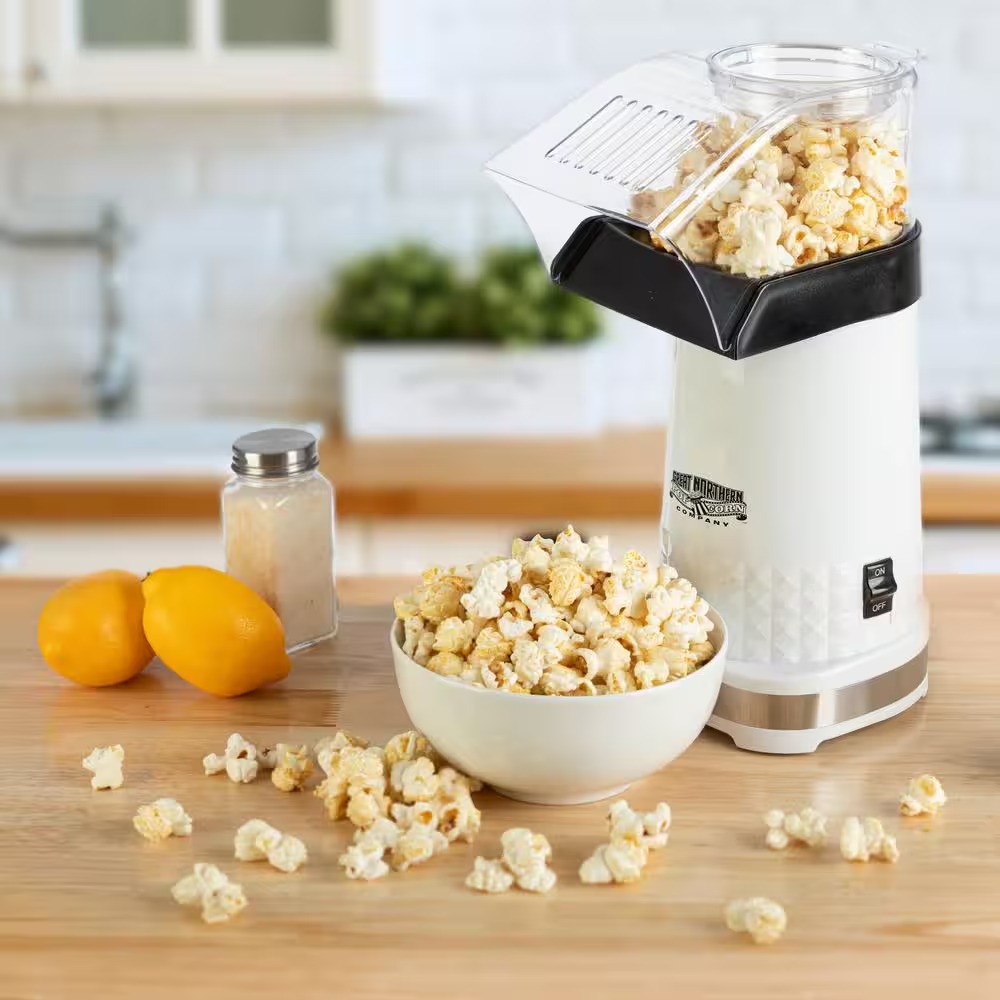
These compact units are perfect for smaller venues such as convenience stores, kiosks, food trucks, or even office break rooms. They typically have smaller kettle capacities (e.g., 4 oz to 8 oz) and are designed to sit on a counter, offering flexibility and ease of placement without sacrificing commercial-grade performance. They are a smart investment for businesses with low to moderate popcorn sales where space is a premium.
Theater-Style Popcorn Machines
These are the classic machines you envision at movie theaters, sports arenas, and large concession stands. They often feature larger kettle sizes (8 oz up to 60 oz or more) and come with a traditional, eye-catching design, sometimes mounted on decorative stands or carts. Theater-style machines are engineered for high output and consistent quality, providing that iconic movie-going experience.
Industrial Popcorn Production Machines
For businesses focused on mass production, such as large-scale popcorn manufacturing and packaging facilities, industrial popcorn machines are the go-to. These are high-capacity, often fully automatic plants designed to produce huge quantities of popcorn in a single batch, sometimes featuring multiple kettles or advanced automation for efficiency and consistency.
Single vs. Twin Kettle Poppers
Most commercial popcorn makers feature a single kettle. However, for exceptionally high-demand environments or to offer different popcorn types simultaneously, some industrial models come with twin kettles, significantly boosting production capacity and versatility. This allows for continuous popping or the preparation of different flavors at once, catering to diverse customer preferences.
Key Features to Look For: What Makes a Top-Tier Commercial Popcorn Maker?
Choosing a reliable commercial popcorn maker goes beyond just its appearance. Several critical features contribute to its performance, durability, and ultimately, your business’s success.
Kettle Quality and Material
The kettle is the heart of your popcorn machine. High-quality commercial machines feature heavy-duty construction with robust materials. Common kettle materials include:
- Aluminum: Known for its excellent heat conduction, allowing for quick and efficient popping.
- Nickel-plated steel: Offers a good balance of durability and heat conduction, with nickel plating helping to resist rust and corrosion.
- Stainless steel: Highly durable, resistant to corrosion, and exceptionally easy to clean and maintain, making it a long-lasting option.
A truly commercial kettle will be noticeably heavier and thicker than those found in lower-quality machines, directly impacting durability and performance.
Capacity and Output
The kettle capacity, measured in ounces, indicates how much popcorn a machine can produce per batch, usually within a three-minute cycle.
- Smaller venues: 4 oz to 20 oz kettles often suffice.
- High-volume areas: Movie theaters and sports arenas might need machines with 28 oz to 46 oz kettles, or even larger industrial units capable of producing up to 75 pounds per hour.
Matching the kettle size to your expected sales volume is crucial to avoid bottlenecks or underutilization.
Motor and Popping Mechanism
The motor inside the kettle plays a vital role in the popping process. An efficient motor should rotate the stirring mechanism at a slow, optimal pace, typically around 35-38 RPM. This allows kernels enough time to fully expand and rise out of the kettle, resulting in maximum pop rates and perfectly fluffy popcorn. Subpar motors might spin too fast (50-70 RPM), leading to chopped kernels and reduced quality.
Wattage
Wattage directly correlates with the speed at which your machine can pop corn. Higher wattage means quicker heat buildup, causing kernels to pop faster and more efficiently. Smaller machines might range from 688 to 1300 watts, while larger, industrial models can exceed 8000 watts. For businesses needing to keep up with quick demand, higher wattage is a significant advantage.
Heating and Warming Features
Once popped, keeping popcorn warm and crisp is essential. Look for machines with:
- Heated corn decks or infrared heat lamps: These features maintain the popcorn’s temperature and prevent it from going stale by keeping the environment dry and warm.
- Consistent heat distribution: Ensures every kernel pops perfectly and the popcorn stays fresh in the cabinet.
- Cornditioner warming systems: Advanced systems that circulate warm air to maintain optimal temperature and crispness.
Durability and Construction
A commercial popcorn maker should be built to withstand rigorous daily use. Key construction aspects include:
- Tempered glass or Plexiglas cases: For visibility and safety, especially in customer-facing environments.
- Stainless steel or aluminum bases and corners: Provide a sturdy foundation and resistance to wear and tear.
- Heavy-duty door construction: Thicker doors are less prone to breakage, enhancing safety and longevity.
Ease of Cleaning and Maintenance
Regular cleaning is vital for hygiene and machine longevity. Features that simplify this process are highly desirable:
- EZ Kleen Kettles: Stainless steel cook surfaces or non-stick coatings make cleaning quick and easy.
- Removable crumb trays and kernel separators: Help to collect unpopped kernels and debris, making cleanup more efficient.
- Accessible design: Allows for easy wiping down of internal surfaces and the kettle.
Safety Features
Safety is paramount in any commercial kitchen. Modern commercial popcorn makers often include:
- Twin arm kettle suspension: Prevents spills and provides more workspace within the cabinet.
- PowerOff® Control: Automatically turns off kettle heat after a period of idle time, reducing energy waste and fire risk.
- Safety circuit breakers: Prevent motor burnout during busy operational hours.
Design and Merchandising
The visual appeal of your popcorn maker can significantly impact impulse sales. Many models come with vibrant graphics, built-in merchandising lights, and classic retro designs that evoke nostalgia, drawing customers in with both sight and smell. Some even include staging cases to effectively promote your product.
Choosing the Right Commercial Popcorn Maker for Your Venture
Selecting the ideal commercial popcorn maker requires a thoughtful assessment of your specific business needs and environment.
Assess Your Business Needs
Start by considering:
- Venue size and type: Is it a small food truck, a bustling movie theater, a school concession stand, or a gourmet popcorn shop?
- Expected volume: How many servings of popcorn do you anticipate selling per hour or per day? This will dictate the necessary kettle capacity.
- Budget: Commercial machines vary widely in price, from budget-friendly countertop models to high-end industrial units.
Space Considerations
Measure the available space in your kitchen or service area. Countertop models are great for limited spaces, while larger floor models might require dedicated areas and stands. Mobility might also be a factor if you plan to use a cart for events or flexible placement.
Brand Reputation and Support
Opt for reputable brands known for quality, durability, and excellent customer service. Look for suppliers who offer strong warranties (e.g., two-year parts, six-month labor) and readily available parts and service. This support can be invaluable if something goes wrong, minimizing downtime for your business.
Mastering the Pop: Tips for Perfect Popcorn Production
Even with the best commercial popcorn maker, the magic truly happens with the right technique and ingredients.
Quality Ingredients
The foundation of great popcorn is high-quality kernels. Consider the type:
- Butterfly (or “snowflake”) popcorn: The most common variety, with irregular shapes and “wings” that are great for catching butter and seasonings.
- Mushroom popcorn: Pops into a dense, spherical shape, ideal for coatings like caramel or chocolate as it resists breaking.
Choose fresh popping oil and quality seasonings for optimal flavor.
Optimal Ratios
Adhering to the manufacturer’s recommended ratios of kernels to oil is crucial. Too much oil can result in greasy popcorn, while too little can lead to scorching and unpopped kernels. Many machines have guidelines printed directly on the glass doors for convenience.
Preheating
Always preheat your commercial popcorn maker’s kettle to the recommended temperature before adding ingredients. This ensures even heat distribution and a quick, consistent pop, preventing uneven batches and a high number of unpopped kernels.
Operation Techniques
Load kernels and oil carefully into the preheated kettle. The stirring mechanism will ensure even cooking. Monitor the popping process, and once the popping slows significantly (typically 3-4 minutes), carefully dump the kettle to release the fresh popcorn into the warming deck. Too fast a cook time (under 3 minutes) can limit expansion, leading to small kernels, while too slow (over 4 minutes) can result in unpopped kernels and uneven batches.
Maintaining Your Investment: Cleaning and Care for Longevity
Regular cleaning and proper maintenance are non-negotiable for keeping your commercial popcorn maker running efficiently, ensuring hygiene, and extending its lifespan.
Daily Cleaning Routine
At the end of each day, or after significant use, perform a routine clean:
- Empty the cabinet: Remove all popped corn and unpopped kernels from the warming deck and crumb tray.
- Wipe down surfaces: Use a damp cloth with a mild, food-safe cleaner to wipe down all interior and exterior surfaces, including glass panels.
- Clean the kettle (superficially): Wipe down the kettle with a damp cloth to remove oil residue, especially if it has a non-stick coating or is an EZ Kleen model.
Deep Cleaning Tips for Kettles and Cabinets
Over time, grease and residue will build up, affecting performance and hygiene.
- Kettle: For stubborn buildup, use specially designed kettle cleaners or a mixture of hot water and commercial degreaser. Follow product instructions carefully, ensuring thorough rinsing. Some kettles can be partially submerged or removed for easier deep cleaning.
- Cabinet: Periodically deep clean the cabinet, paying attention to corners and crevices where oil and seasoning can accumulate. Perforated decks should be cleaned to ensure unpopped kernels can fall through freely.
Beyond the Butter: Creative Popcorn Recipes and Flavor Innovations
While classic butter and salt popcorn is timeless, offering creative flavors can set your business apart and attract a wider customer base.
Classic Delights and Gourmet Twists
- Classic Butter & Salt: The undisputed champion. Ensure you have high-quality butter-flavored oil or real butter dispensers for the perfect finish.
- Caramel Popcorn: Cooker mixers can transform popcorn into sweet, sticky caramel corn in minutes. Use mushroom kernels for the best coating.
- Cheese Popcorn: Various cheese powders (cheddar, white cheddar, nacho) can create savory, addictive treats.
- Sweet & Savory Variations: Experiment with flavors like kettle corn, cinnamon sugar, chocolate drizzle, truffle oil, or even unique spice blends.
Offering a diverse range of popcorn toppings and flavors caters to different tastes and can significantly increase sales and customer engagement.
Frequently Asked Questions About Commercial Popcorn Makers
How often should I clean my commercial popcorn machine?
Daily light cleaning is recommended, especially for the kettle and cabinet surfaces that come into contact with popcorn and oil. Deep cleaning of the kettle and internal components should be done regularly, depending on usage volume, to prevent residue buildup and ensure optimal performance.
What’s the difference between butterfly and mushroom popcorn?
Butterfly popcorn has irregular shapes and “wings,” making it light and airy and excellent for absorbing butter and fine seasonings. Mushroom popcorn pops into a dense, round ball, ideal for heavy coatings like caramel or chocolate, as it’s more durable and less prone to breaking.
Can I use a commercial popcorn maker at home?
While technically possible, commercial popcorn makers are significantly larger, more powerful, and designed for continuous, high-volume output. They are generally overkill for home use and require specific electrical hookups. A high-quality home-use machine is typically more appropriate for residential settings.
What’s the ideal temperature for popping?
The ideal popping temperature is typically around 400-460°F (204-238°C) inside the kettle. Commercial machines are designed to reach and maintain this optimal temperature efficiently to ensure maximum kernel expansion and minimal unpopped kernels.
How do I prevent unpopped kernels?
To minimize unpopped kernels, ensure your machine is properly preheated, use fresh, high-quality kernels, maintain the correct oil-to-kernel ratio, and monitor the popping process to ensure kernels are not removed too early or too late. Optimal motor RPM also plays a role in even popping.
Pop Into Profit with the Right Commercial Popcorn Maker
A commercial popcorn maker is more than just a piece of equipment; it’s a strategic asset that can significantly enhance your business’s appeal and profitability. By carefully considering the types, features, and operational nuances discussed, you can select a machine that not only meets your operational demands but also delights your customers with every perfectly popped kernel. Invest wisely, maintain diligently, and let the enticing aroma of fresh popcorn draw in crowds, popping your business into a realm of consistent success and customer loyalty.