There’s a certain magic that fills the air when popcorn is popping – that unmistakable aroma, the rhythmic crackle, and the promise of a warm, fluffy snack. A Home Popcorn Maker isn’t just another kitchen gadget; it’s a gateway to recreating that classic movie theater experience or simply enjoying a healthier, customizable treat whenever the craving strikes. Ditching those pre-packaged microwave bags and embracing the joy of fresh, homemade popcorn is easier and more rewarding than you might think. This guide will walk you through everything you need to know about home popcorn makers, from choosing the right one to popping like a pro and exploring delicious flavor adventures.
Why Every Home Needs a Popcorn Maker
Beyond the delightful scent and sound, owning a home popcorn maker offers a trifecta of benefits: superior taste, healthier snacking, and significant cost savings. Forget the artificial flavors and preservatives often found in store-bought options; homemade popcorn puts you in complete control. You decide on the kernels, the type of oil (if any), and the seasonings, ensuring a fresh, wholesome snack tailored precisely to your preferences. Plus, making popcorn from scratch with kernels is far more economical in the long run than repeatedly buying expensive pre-bagged varieties. It transforms a simple snack into a fun activity, perfect for family nights, entertaining guests, or just treating yourself.
Exploring the World of Home Popcorn Makers
The market offers a fantastic array of home popcorn maker styles, each with its unique charm and benefits. Understanding the differences will help you pick the perfect one for your popping pleasure.
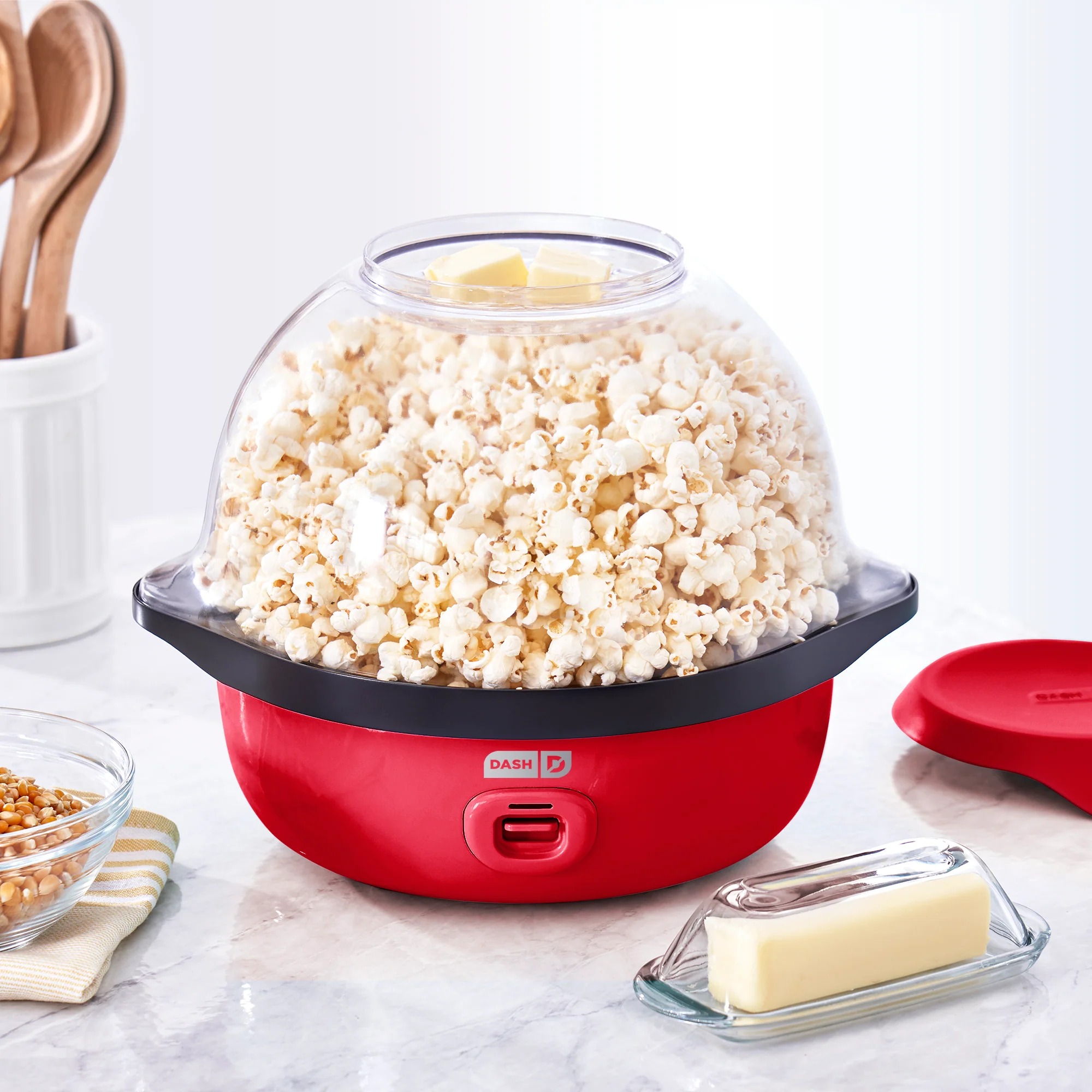
Hot Air Popcorn Makers
These popular devices use hot air to pop kernels, making them a top choice for health-conscious snackers.
- How they work: Kernels are placed in a chamber where a powerful fan blows super-heated air, causing them to pop. The popped corn then chutes directly into a waiting bowl.
- Pros: Requires no oil, resulting in a low-calorie, fat-free snack. They are generally fast, easy to operate, and straightforward to clean.
- Cons: The popcorn can sometimes be a bit drier, and it’s impossible to add oil or butter during the popping process. Seasonings may also have trouble adhering without a little post-pop oil.
- Best for: Those prioritizing health, quick and easy snack prep, and simple cleanup.
Electric Oil Popcorn Makers (Stirring Poppers)
For that classic movie theater taste, electric oil poppers are hard to beat.
- How they work: A heated non-stick plate or kettle at the bottom uses oil to cook the kernels. A motorized stirring arm continuously moves the kernels, ensuring even heat distribution and preventing burning.
- Pros: Produces consistently fluffy, flavorful popcorn with very few unpopped kernels. Many models come with lids that double as serving bowls, adding to convenience. The oil imparts a richer taste and helps seasonings stick better.
- Cons: Requires oil, making the popcorn less diet-friendly than air-popped versions. Cleanup can be a bit more involved due to oil residue.
- Best for: Traditionalists who crave rich, buttery popcorn, and those who don’t mind a little extra effort for superior flavor.
Stovetop Popcorn Makers
These bring a touch of nostalgia and an engaging, hands-on experience to your kitchen.
- How they work: Typically, a large pot with a lid and a hand-cranked stirring mechanism is placed on a stovetop burner. Oil and kernels are added, and you manually turn the crank to stir the kernels as they heat and pop.
- Pros: Offers excellent control over the popping process, often resulting in perfectly crisp, evenly popped kernels. Many users swear by the superior taste and texture of stovetop popcorn. Can be very durable.
- Cons: Requires constant attention and manual effort. Takes up stovetop space during use.
- Best for: Enthusiasts who enjoy the process of making popcorn, desire maximum control, and often make larger batches.
Microwave Popcorn Makers
If convenience and compactness are your top priorities, microwave popcorn makers are a fantastic modern solution for your home popcorn maker needs.
- How they work: Usually a silicone or glass bowl designed for microwave use, where kernels are placed (with or without a tiny bit of oil) and heated. The steam builds pressure, popping the corn.
- Pros: Extremely convenient, fast, and often collapsible for easy storage. Many models double as serving bowls, reducing dishwashing. Oil is optional, offering a healthier choice.
- Cons: Popping consistency can vary depending on your microwave’s wattage and the specific maker. May not produce the same intense flavor as oil-based methods.
- Best for: Busy individuals, small kitchens, and those seeking the ultimate in quick, no-fuss popcorn.
Choosing Your Perfect Home Popcorn Maker
Selecting the ideal home popcorn maker depends largely on your lifestyle, preferences, and kitchen setup. Ask yourself these questions to narrow down your choices:
- How often will you use it? For daily snacking, ease of use and cleanup are key. For occasional treats, you might prioritize flavor or the experience.
- What kind of popcorn do you prefer? Healthy and light (air popper), rich and traditional (electric oil/stovetop), or ultra-convenient (microwave)?
- How much kitchen space do you have? Countertop models vary in size, while microwave poppers are usually the most compact.
- What’s your budget? Prices range significantly across types and brands.
- Ease of cleaning: Are dishwasher-safe parts a must-have for you? Look for features like removable kettles or non-stick surfaces. Some electric models even include a built-in butter melting tray, enhancing the movie theater feel and convenience.
How to Use Your Home Popcorn Maker Like a Pro
Regardless of the type of home popcorn maker you choose, a few general rules and specific steps will ensure perfect results every time.
General Tips for All Types
- Read the manual: Every home popcorn maker is a bit different. Always consult your appliance’s instruction manual for specific guidelines on kernel quantity, cooking times, and safety.
- Use fresh, quality kernels: This is paramount for high pop rates and delicious popcorn. Old or dry kernels lead to more unpopped “old maids.”
- Don’t overfill: Overfilling the popping chamber can lead to burnt kernels, uneven popping, and even damage to your machine. Stick to the recommended fill lines.
Step-by-Step for Hot Air Poppers
- Preparation: Place your air popper on a stable, heat-resistant surface. Position a large serving bowl directly under the chute to catch the popped corn.
- Add Kernels: Measure your desired amount of unpopped kernels (usually ¼ to ½ cup) and pour them into the popping chamber. Remember, no oil is needed.
- Power On: Plug in the machine and flip the “on” switch. The popping will typically begin within 2-3 minutes.
- Listen and Learn: Stay nearby and listen. Once the popping slows to about one pop every 2-3 seconds, turn off the machine and unplug it to prevent burning.
- Season and Enjoy: Carefully remove the bowl of popcorn. Now’s the time to add your favorite seasonings, a spritz of oil, or melted butter to help them stick.
Step-by-Step for Electric/Stovetop Oil Poppers
- Prepare: Place your oil popper on a stable surface or stovetop. Ensure all parts are assembled correctly.
- Heat Oil & Test Kernels (Optional but Recommended): For electric models, add your chosen cooking oil (peanut, coconut, canola, or grapeseed oil work best due to high smoke points) to the kettle/base and let it heat for a minute or two. For stovetop, heat oil over medium-high heat. Add 2-3 test kernels.
- Add Remaining Kernels: Once the test kernels pop (or if skipping the test, when the oil is shimmering for stovetop), add the rest of your measured kernels.
- Pop It Up:
- Electric: Close the lid, turn on the machine. The stirring arm will do its work.
- Stovetop: Place the lid on, and begin turning the crank consistently.
- Listen for Silence: As with air poppers, turn off the machine when the popping slows to a few seconds between pops. Overcooking will lead to burnt kernels.
- Transfer & Season: Carefully dump the popcorn into a serving bowl. Season immediately with salt, butter, or other flavorings while the popcorn is still hot.
“A home popcorn maker isn’t just about making snacks; it’s about crafting experiences. The aroma alone can transform a simple evening into a memorable one, and with endless flavor possibilities, it truly becomes a canvas for culinary creativity.” – Dr. Eleanor Vance, Culinary Appliance Innovator at PopcornHub.
Achieving Popcorn Perfection: Tips and Tricks
Making great popcorn is an art, but these simple tips will elevate your game:
- Kernel Quality Matters Immensely: Invest in fresh, high-quality popcorn kernels. Non-GMO, organic, or heirloom varieties often yield superior flavor and a higher pop rate. Store them in an airtight container in a cool, dark place.
- Optimal Oil Choice (for Oil Poppers): Use oils with a high smoke point to prevent burning and off-flavors. Coconut oil is a classic for its buttery taste, while peanut, canola, avocado, or grapeseed oils are also excellent choices. Avoid olive oil or butter for popping as they have lower smoke points.
- The Right Temperature is Key: Too low, and you’ll get chewy, half-popped kernels. Too high, and they’ll burn. Listen to your machine; the popping should be vigorous and consistent.
- Season Immediately: Salt and other dry seasonings adhere best to warm, freshly popped popcorn. If you’re using an air popper, a light spray of cooking oil or melted butter after popping will help the seasonings stick.
- Even Salt Distribution: To avoid a bowl of unevenly seasoned popcorn, try salting in layers. Pour half the popcorn into a bowl, season, gently shake, then add the remaining popcorn and season again.
Keeping It Clean: Maintenance for Longevity
Regular cleaning is crucial for maintaining your home popcorn maker’s performance, preventing residue buildup, and ensuring hygienic operation.
General Cleaning Steps
- Cool Down and Unplug: Always ensure the machine is completely cool and unplugged before you begin cleaning to prevent burns or electrical hazards.
- Discard Debris: Empty any leftover popcorn, unpopped kernels, and husks from the machine’s popping chamber and crumb tray.
- Remove Removable Parts: Take out any detachable components like lids, butter melting trays, serving bowls, or kettles.
- Wash Removable Parts: Wash these parts in warm, soapy water. Many are dishwasher-safe, but always check your manual. Rinse thoroughly and allow to air dry completely. For stubborn oil residue, a mixture of equal parts white vinegar and water can be effective.
- Wipe Interiors and Exteriors: Use a damp cloth with mild dish soap or the vinegar-water solution to wipe down the interior and exterior surfaces of the main unit. Pay attention to glass panels and non-stick surfaces. Avoid abrasive scrubbers or harsh chemicals that could scratch or damage the finish.
Specific for Oil Poppers
- Kettle Cleaning: For electric kettles or stovetop poppers, oil can leave a sticky residue. If heavily soiled, fill the kettle with warm water and a small amount of specialized popcorn machine cleaner (or a few drops of dish soap). Heat briefly (do not boil dry) or let it soak to loosen stubborn grease, then scrub gently with a non-abrasive brush or sponge. Never submerge an electric kettle in water if it’s not designed to be fully submersible.
- Glass Panels: For clear viewing panels, a vinegar-water solution is excellent for a streak-free shine.
Beyond Butter and Salt: Creative Popcorn Recipes and Flavorings
The beauty of a home popcorn maker lies in the endless possibilities for flavor customization. Here are some ideas to spark your culinary imagination:
- Sweet Sensations:
- Classic Caramel Corn: After popping, coat your popcorn in a homemade caramel sauce (butter, brown sugar, corn syrup) and bake briefly to set.
- Chocolate Drizzle: Melt your favorite chocolate (milk, dark, or white) and drizzle it over freshly popped corn. Add sprinkles for a festive touch.
- Honey Butter Popcorn: Melt butter with a touch of honey, then toss with warm popcorn and a pinch of sea salt.
- Popcorn Balls: A nostalgic treat! Combine popcorn with melted marshmallows and butter, then form into sticky, sweet spheres. Add mix-ins like chocolate chips or chopped nuts.
- Savory Twists:
- Parmesan Herb: Toss with melted butter, grated Parmesan cheese, garlic powder, and dried Italian herbs (oregano, basil).
- Spicy Cajun: Mix melted butter with Cajun seasoning, a pinch of cayenne pepper, and a dash of onion powder for a flavorful kick.
- Ranch Popcorn: Sprinkle a dry ranch seasoning packet over popcorn, perhaps with a little butter or oil spray to help it adhere.
- Nutritional Yeast: For a cheesy, umami flavor without dairy, sprinkle nutritional yeast generously.
Don’t be afraid to experiment! Your home popcorn maker is a canvas for your taste buds.
The Unsung Health Benefits of Homemade Popcorn
While often associated with indulgent movie nights, plain, air-popped popcorn is surprisingly healthy. It’s a whole grain, meaning it contains the entire kernel – bran, germ, and endosperm – which is packed with nutrients.
- Fiber Powerhouse: Popcorn is an excellent source of dietary fiber, crucial for digestive health. Fiber helps you feel full, aiding in weight management, and can help regulate blood sugar levels.
- Antioxidant Rich: It contains potent antioxidants called polyphenols, which help combat oxidative stress in the body and are linked to reducing the risk of certain chronic diseases. In fact, some studies suggest popcorn can have as many polyphenols as some fruits!
- Heart-Healthy: The high fiber content of popcorn is also beneficial for cardiovascular health, potentially lowering the risk of heart disease and improving cholesterol levels when consumed as part of a balanced diet.
- Diabetes Risk Reduction: As a whole grain with a low glycemic index, popcorn can contribute to a diet that helps manage blood sugar levels, reducing the risk of type 2 diabetes.
- Control Over Ingredients: The most significant health benefit of making popcorn at home is having complete control over what goes into it. You can opt for minimal oil (or none with an air popper), light salt, and natural seasonings, avoiding the excessive fats, sodium, and artificial ingredients found in many commercial options.
Frequently Asked Questions (FAQ)
What kind of kernels should I use in my home popcorn maker?
You should always use fresh, unpopped popcorn kernels designed for popping. Avoid old kernels, as they may not pop well, and never use microwave popcorn bags inside a standard popcorn maker unless specifically designed for it.
Can I put butter in my air popcorn maker?
No, you should not put butter directly into the popping chamber of a hot air popcorn maker. It’s designed to operate with dry kernels. Most air poppers come with a small melting tray on top for butter, which then drizzles over the popped corn in your bowl.
How much oil do I need for an electric or stovetop popcorn maker?
The specific amount varies by model, but generally, you’ll use 1-3 tablespoons of high smoke point oil (like coconut, peanut, or canola) for every ½ cup of popcorn kernels. Always check your machine’s instruction manual for precise measurements.
Why are there so many unpopped kernels?
Too many unpopped kernels can be due to stale kernels, insufficient heat, or not enough oil (in oil poppers). Ensure your kernels are fresh, and follow your machine’s specific instructions for heating and quantity.
Is homemade popcorn truly healthier than microwave bags?
Yes, absolutely. Homemade popcorn allows you to control the ingredients, avoiding the hydrogenated oils, artificial flavors, and excessive sodium and fat often found in microwave popcorn bags. When air-popped and lightly seasoned, it’s a very healthy whole-grain snack.
How do I prevent my popcorn from burning?
The key is to turn off the home popcorn maker as soon as the popping slows significantly (typically to 2-3 seconds between pops). Overheating or leaving the popcorn in the hot chamber for too long will lead to burning.
Conclusion
The humble home popcorn maker is more than just an appliance; it’s a source of joy, health, and culinary creativity. From the satisfying crunch of air-popped kernels to the rich, buttery flavor of oil-popped masterpieces, there’s a world of popcorn waiting to be discovered in your own kitchen. By understanding the different types, mastering the art of popping, keeping your machine clean, and daring to explore new flavor combinations, you’ll transform ordinary moments into delightful snacking experiences. So go ahead, plug in that home popcorn maker, gather your favorite kernels, and let the good times pop!