There’s something truly magical about a bowl of freshly popped popcorn – that satisfying crunch, the intoxicating aroma, and the endless possibilities for flavor. But to achieve that perfect batch from your popcorn maker, it all starts with choosing the right Popcorn For Popcorn Maker. It’s not just about any old kernel; understanding the nuances can elevate your snack game from good to gourmet. At PopcornHub, we believe every pop should be a masterpiece, and it begins with selecting the ideal kernels for your popping adventure.
The Heart of the Matter: Understanding Popcorn Kernels
Think of popcorn kernels as tiny culinary wonders, each designed to deliver a unique experience when subjected to the heat of your popcorn maker. They might look similar in their unpopped state, but their characteristics dictate the final texture, size, and even the way they hold onto your favorite seasonings.
Yellow Kernels: The Movie Theater Classic
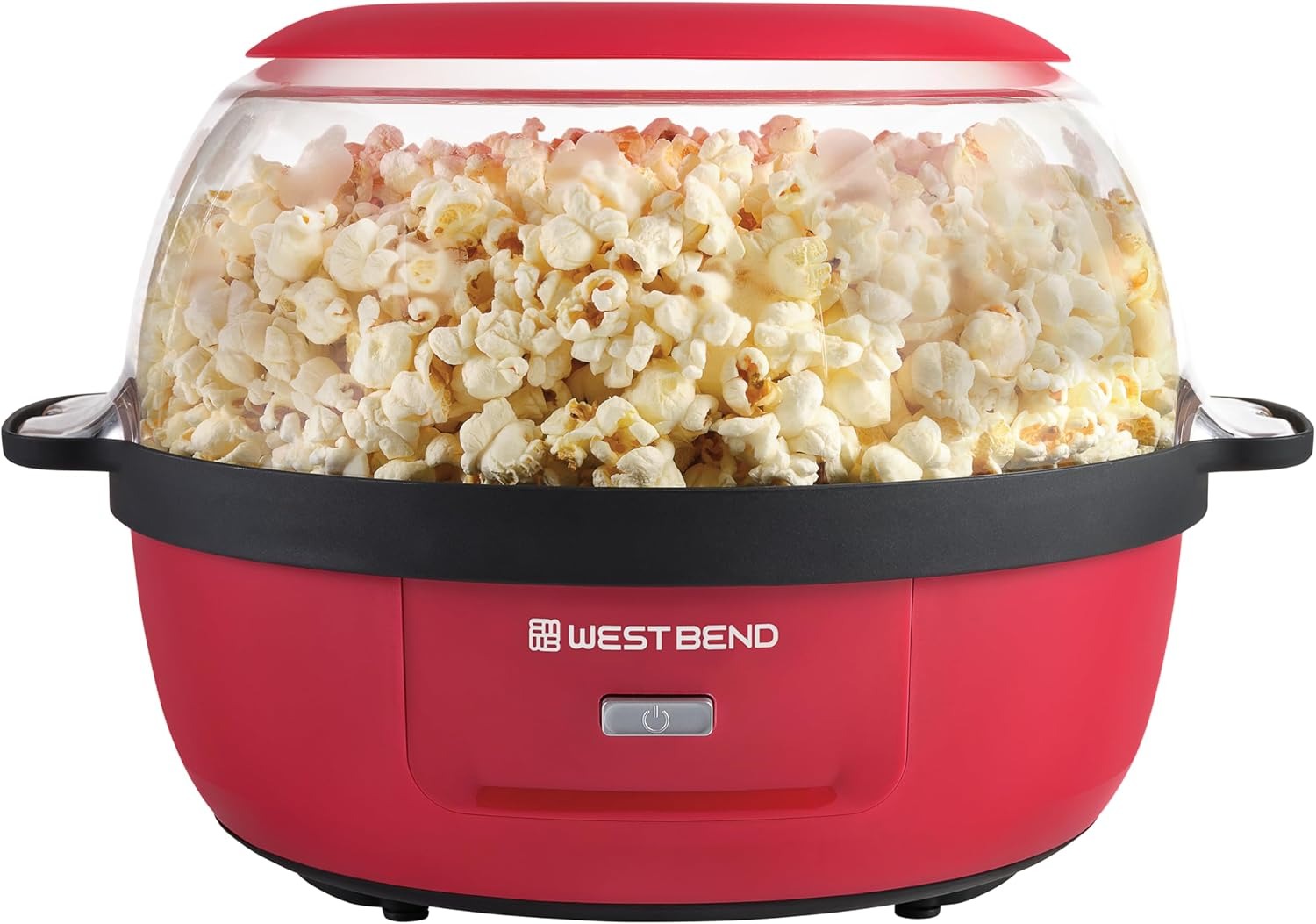
If you’ve ever enjoyed a buttery bucket at the cinema, chances are you’ve experienced the glory of yellow popcorn kernels. These are the most common and beloved variety, known for producing larger, fluffier pops with a distinctly robust and slightly nutty flavor. Their size and texture make them ideal for soaking up melted butter and holding savory seasonings, giving you that quintessential movie-night experience. When you’re aiming for big, satisfying pieces from your popcorn maker, yellow kernels are your go-to.
White Kernels: Delicate & Versatile
For those who prefer a lighter, more tender bite, white popcorn kernels are a fantastic choice. These kernels typically pop a bit smaller and offer a more delicate, neutral flavor profile. This makes them incredibly versatile, acting as a clean canvas for a wide array of seasonings, from subtle sweet dustings to bold, spicy rubs. If you’re using your popcorn maker to experiment with diverse flavor combinations, white kernels will allow your seasonings to shine without overpowering them.
|
Our Picks for the Best Popcorn Maker in 2026
As an Amazon Associate I earn from qualifying purchases.
|
||
| Num | Product | Action |
|---|---|---|
| 1 | Dash Fresh Pop Popcorn Maker - Oil-Free, Air Popcorn Popper - With Measuring Cup & Recipe Guide - Perfect for Movie Nights - 16 Cups, White |

|
| 2 | Original Whirley Pop Popcorn Maker - Wabash Valley Farms Gourmet Popcorn Popper, Aluminum Pot With Nylon Gears, 3-Minute Stove Top Popper, Home Movie Night (Silver) |
|
| 3 | 8 oz Popcorn Machine Cart, Popcorn Maker Machine with Stainless-Steel Kettle Makes Up to 32 Cups, Movie Theater Style Pop Corn Machine with Heated Warming Deck, Upgraded, Black |
|
| 4 | Dash Fresh Pop Popcorn Maker - Oil-Free, Air Popcorn Popper - With Measuring Cup & Recipe Guide - Perfect for Movie Nights - 16 Cups, Aqua |
|
| 5 | Popsmith Popcorn Popper in Butter - 6 Quart Stovetop Popcorn Machine - Stainless Steel Popcorn Maker Compatible with All Stovetops |
|
| 6 | Soccer-Shaped Hot Air Popcorn Popper, BPA-Free Food-Grade PP Air Popcorn Maker with Measuring Cup and Butter Melter, One-Touch 1200W Oil-Free Popcorn Machine for Home, Game Night, Camping (white) |
|
| 7 | 6 Oz Popcorn Machine Maker, Countertop Pop Corn Machine, Tabletop Popcorn Machine, Movie Theater Popcorn Popper Machine with Stainless-Steel Kettle, Measuring Tool for Home Family, 300 W, Red |
|
| 8 | Dash Fresh Pop Popcorn Maker - Oil-Free, Air Popcorn Popper - With Measuring Cup & Recipe Guide - Perfect for Movie Nights - 16 Cups, Red |
|
| 9 | 10 oz Popcorn Machine Cart, Popcorn Maker Machine with Wheel&Stainless-Steel Kettle Makes Up to 40 Cups, Vintage Movie Theater Style Pop Corn Machine, Red |
|
| 10 | Presto 04863 Poplite Hot Air Popcorn Popper - Built-In Measuring Cup + Melts Butter, Easy to Clean, Built-In Cord Wrap, 18 Cups, Red |
|
Butterfly vs. Mushroom: Shape Matters
Beyond color, the shape of your popped corn dramatically influences its texture and how it interacts with toppings.
- Butterfly Popcorn (or Snowflake Popcorn): This is the irregular, whimsical shape you’ll most often encounter. With its “wings” and varied nooks and crannies, butterfly popcorn is superb for catching and holding granulated seasonings like salt, cheese powders, or spice blends. Its light, crispy texture is part of its charm, making it perfect for classic, straightforward snacking from your popcorn maker.
- Mushroom Popcorn: In contrast, mushroom popcorn pops into a dense, compact, and distinctly round shape, resembling a small mushroom cap. These sturdy pieces are less prone to crumbling, making them the undisputed champion for heavy coatings like caramel, chocolate, or thick glazes. If you dream of homemade caramel corn or other confectionary popcorn treats from your popcorn maker, mushroom kernels are a must-have.
Beyond Yellow & White: Exploring Colored Varieties
While yellow and white kernels dominate the market, a vibrant world of colored popcorn exists, including red, blue, and even purple varieties. These kernels offer subtle flavor variations – some red kernels might pop into a denser piece with a slightly earthy note, while blue kernels can have a nutty undertone. Interestingly, regardless of their unpopped hue, all these colored kernels pop into a fluffy white or off-white popcorn. They add an element of aesthetic appeal and a touch of gourmet adventure to your popcorn maker routine.
The “Hull-less” Myth: Thinner Shells, Smoother Snacking
You might have seen “hull-less popcorn” advertised, and while it’s a popular term, it’s a bit of a misnomer. Every popcorn kernel has a hull; it’s the protective outer shell that holds the moisture necessary for popping. What “hull-less” varieties truly offer are smaller kernels with thinner shells. When these thinner hulls burst, they shatter into minuscule, less noticeable pieces, giving the impression of being hull-less. If you find those pesky hulls getting stuck in your teeth to be a nuisance, opting for these “virtually hull-less” types (like Lady Finger or Baby White) can significantly enhance your snacking comfort from your popcorn maker.
Choosing Your Perfect Kernel: A PopcornHub Guide
Selecting the best popcorn for popcorn maker use comes down to understanding your machine, your taste, and your desired outcome.
- Consider Your Popcorn Maker Type: Air poppers work best with standard kernels designed for dry heat. Oil-based poppers (like stovetop or electric kettle machines) benefit from kernels that can handle direct contact with oil, often yielding a richer flavor.
- Flavor Preference: Do you love the classic, robust buttery flavor of movie theater popcorn? Yellow kernels are your friend. Prefer a delicate canvas for creative seasonings? White kernels are ideal.
- Texture Preference: For fluffy, melt-in-your-mouth popcorn, opt for white or butterfly varieties. If you crave a hearty crunch, especially for gourmet coatings, mushroom popcorn will not disappoint.
“Choosing the right popcorn kernels is like selecting the perfect canvas for an artist,” says Dr. Olivia Hayes, Food Science Innovator at PopcornHub. “Each variety has its unique attributes, and matching it to your popcorn maker and culinary vision is the secret to unlocking true snack perfection. Don’t be afraid to experiment; you might just discover your new favorite!”
Storing Your Treasure: Keeping Kernels Fresh
The enemy of a good pop is a dry kernel. Popcorn kernels contain a tiny amount of moisture essential for their explosive transformation into a fluffy snack. Proper storage is paramount to preserving this moisture and ensuring optimal popping performance from your popcorn maker.
- Airtight is Key: Always store unpopped popcorn kernels in an airtight container. Mason jars, specialized canning jars, or even resealable heavy-duty bags work wonderfully. This prevents external moisture from entering or internal moisture from escaping.
- Cool, Dry, and Dark: Keep your kernels in a cool, dry, and dark place, such as a pantry or cupboard, ideally between 60–75°F (15–24°C). Avoid areas prone to humidity, heat, or direct sunlight, which can degrade quality.
- Say No to the Fridge or Freezer: Contrary to popular belief, refrigerating or freezing unpopped kernels is a big no-no. Cold temperatures can cause condensation and introduce excess moisture, or even damage the kernel’s internal structure, leading to fewer successful pops and wasted kernels.
- Longevity: When stored correctly, popcorn kernels can maintain their freshness and popping ability for 1 to 3 years or even longer.
- Rehydrating Dry Kernels: If you notice your older kernels aren’t popping as well, they might have lost some internal moisture. You can attempt to rehydrate them by adding about 1 teaspoon of water per 1 cup of kernels into an airtight jar. Shake gently to distribute the moisture, then let them rest for 2 to 3 days. This can often revive a tired batch, but be careful not to add too much water, which could lead to mold.
Troubleshooting Your Pop: Common Kernel and Maker Issues
Even with the best popcorn for popcorn maker, you might occasionally encounter a hitch. Knowing how to diagnose and fix common problems will save you from snack-time disappointment.
- The Case of the Unpopped Kernels (Old Maids): This is one of the most frustrating issues. Too many unpopped kernels can often be attributed to:
- Old or Low-Quality Kernels: Over time, kernels lose their vital internal moisture. Always use fresh, high-quality kernels for the best results.
- Insufficient or Incorrect Oil: If using an oil popper, ensure you’re using a high-smoke point popping oil in the correct ratio. Too little oil or using butter (which has a low smoke point) can lead to uneven heating.
- Incorrect Temperature: Your popcorn maker needs to reach the ideal popping temperature (typically 400-460°F or 204-238°C). If the heating element is failing or the thermostat is off, kernels won’t pop.
- The Dreaded Burnt Popcorn: Scorched popcorn can ruin a batch and leave an unpleasant odor.
- Temperature Too High: Double-check your machine’s thermostat settings. Overheating is a common culprit.
- Stirring Mechanism Failure: For machines with a stirring paddle, a malfunction means kernels sit stationary and burn.
- Leftover Debris: Old, burnt pieces or debris in the kettle can carbonize and taint new batches. Regular cleaning is vital.
- Poor Quality Popcorn (Tough, Small, Chewy): If your popcorn is popping but lacks that perfect texture:
- Incorrect Kernel-to-Oil Ratio: Follow your popcorn maker’s instructions for the precise ratio to avoid uneven popping.
- Trapped Steam: In some machines, especially commercial ones, popping consecutive batches without allowing the kettle to cool and dry can introduce steam, making popcorn tough. Ensure the lid or dump door is open during popping to allow steam to escape and prevent soggy popcorn.
Preventative Maintenance: A consistent cleaning and maintenance routine is your best defense against these issues. Daily cleaning of the exterior and kettle, weekly deep cleaning of removable parts, and regular inspection of moving components will significantly extend the life and efficiency of your popcorn maker. Using quality ingredients, including fresh kernels and high-grade popping oil, also dramatically improves performance.
Elevating Your Pop: Creative Seasoning Ideas
Once you’ve mastered the perfect pop from your popcorn maker, it’s time to get creative with flavor! The right seasoning transforms a simple snack into a gourmet experience.
Savory Sensations
- Cheesy Garlic Bliss: Blend nutritional yeast (for a dairy-free cheesy flavor), garlic powder, onion powder, and a touch of smoked paprika. Toss onto warm popcorn for a savory, umami kick.
- Herb & Lemon Zest: Combine dried parsley, dried dill, fresh lemon zest, sea salt, and black pepper for a bright, aromatic, garden-fresh taste.
- Smoky Chili Lime: A mix of chili powder, smoked paprika, lime zest, and a pinch of cayenne delivers a tangy and spicy punch.
- Classic Sea Salt & Pepper: Sometimes, simplicity reigns supreme. A generous sprinkle of sea salt and freshly ground black pepper can perfectly highlight the natural taste of your popcorn.
- Fresh Rosemary & Olive Oil: Drizzle warm popcorn with extra virgin olive oil and sprinkle with finely chopped fresh rosemary for an elegant, fragrant snack.
Sweet Delights
- Cinnamon Maple Delight: A cozy blend of ground cinnamon, coconut sugar (or maple sugar), and a hint of nutmeg creates a sweet, comforting treat.
- Vanilla Chai Spice: Combine vanilla bean powder, ground cardamom, cinnamon, ginger, and a sweetener for a warm, spiced flavor reminiscent of your favorite chai tea.
- Chocolate Drizzle: Melted dark or white chocolate drizzled over popcorn is an indulgent option that’s surprisingly easy to make.
Tips for Applying Seasonings: For the best adhesion, lightly mist your freshly popped popcorn with a neutral oil spray (like avocado or olive oil) or a light drizzle of melted coconut oil or butter while it’s still warm. Then, sprinkle your chosen seasoning blend evenly and toss gently to ensure every piece is coated in flavor. Store any leftover dry seasoning mixes in airtight containers in a cool, dark pantry for up to six months.
The Joy of Homemade Popcorn: Why it’s Worth It
Investing in a popcorn maker and selecting the right popcorn for popcorn maker goes beyond just convenience; it opens up a world of enjoyment.
- Healthier Snacking: You control the ingredients, avoiding artificial flavors, excessive sodium, and unhealthy fats often found in pre-packaged options. Opt for organic, non-GMO kernels and healthy oils for a truly wholesome treat.
- Endless Customization: From choosing your perfect kernel to inventing unique seasoning blends, homemade popcorn allows for unparalleled creativity and caters to every craving.
- Cost-Effective: Making popcorn at home is significantly cheaper than buying pre-popped bags, making it a budget-friendly snack for families and individuals alike.
- Family Fun: The process of popping corn can be a delightful activity, engaging kids and adults in creating a shared snack, fostering memories, and building anticipation for movie nights or gatherings.
Frequently Asked Questions (FAQ)
What’s the best type of popcorn for an air popper?
For air poppers, most standard yellow or white butterfly kernels work well. Since no oil is used in the popping process, the natural flavor of the kernel is more prominent, making white kernels an excellent choice for those who prefer a neutral base for seasonings. Smaller kernels, like Baby White, are often recommended for air poppers as they can result in fewer unpopped kernels.
Can I use any popcorn in my popcorn maker?
While most popcorn kernels are designed to pop, choosing the right type of popcorn for popcorn maker can significantly improve your results. Specialty varieties like mushroom popcorn are best for glazed treats, while butterfly kernels are great for savory toppings. Always use kernels specifically labeled for popping, not decorative corn.
How long do popcorn kernels last?
When stored correctly in an airtight container in a cool, dry, and dark place (around 60-75°F), popcorn kernels can remain fresh and pop effectively for 1 to 3 years or even longer.
Why are my popcorn kernels not popping?
Common reasons for unpopped kernels include old or dried-out kernels that have lost their internal moisture, insufficient heat from your popcorn maker, or using too little or the wrong type of oil (for oil-based poppers). Ensure your kernels are fresh and your machine is operating at the correct temperature.
What’s the difference between butterfly and mushroom popcorn?
Butterfly popcorn pops into an irregular, fluffy shape with “wings” that are great for catching seasonings. Mushroom popcorn, on the other hand, pops into a dense, round, and sturdy shape, ideal for heavy coatings like caramel or chocolate, as it resists crumbling.
How do I make my popcorn seasonings stick?
To help seasonings adhere, lightly mist your freshly popped, warm popcorn with a neutral oil spray (like avocado or olive oil) or a drizzle of melted butter or coconut oil before sprinkling your chosen seasoning. Then, toss gently to ensure even coating.
Conclusion
Choosing the perfect popcorn for popcorn maker isn’t just a minor detail; it’s the foundation of a truly exceptional snacking experience. By understanding the different kernel types, mastering proper storage techniques, troubleshooting common hiccups, and exploring a world of creative seasonings, you transform a simple appliance into a gateway to endless culinary delights. At PopcornHub, we’re dedicated to helping you achieve popcorn perfection every single time. So, grab your favorite kernels, fire up your popcorn maker, and embark on a delicious journey of taste and texture. Your perfect bowl of popcorn awaits!